

Most of the time, a Feng Shui-designed home is obtained by combining good taste and style with an optimal approach to space. In other words, Feng Shui style involves arranging furniture and utilizing space in a specific way to create a comfortable and welcoming room. Perhaps for Westerners, the philosophy of Feng Shui is difficult to understand, but the rules of this technique are based on two extremely important and not at all difficult to understand factors: balance and harmony. So, whether you want to design your Feng Shui home for luck, prosperity or health (as the practitioners of this philosophy say) or you want a home where harmony and balance prevail, we have prepared tips and ideas for an ideal design!
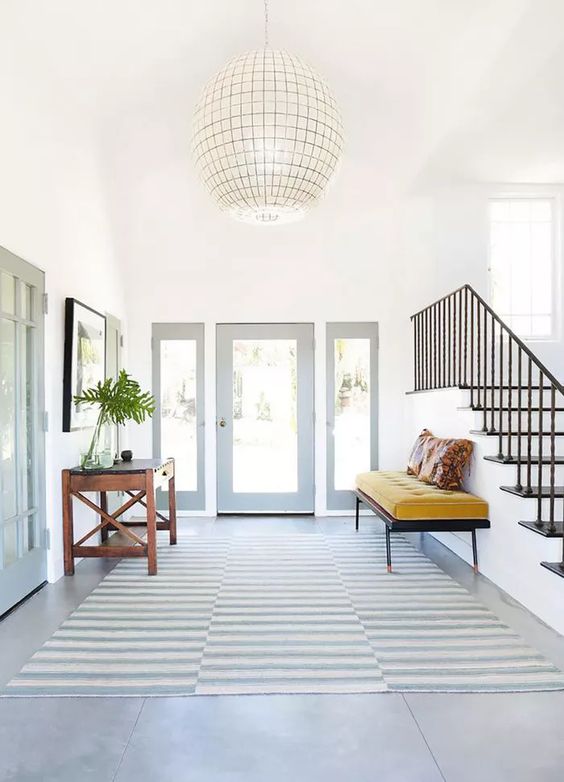
What is Feng Shui?
Feng Shui means “wind water” and is an ancient Chinese art of arrangement, where the placement of objects influences the vital Qi energy of a space. If we refer to Feng Shui interior design, it should be noted that Feng Shui reflects an environment designed to create a space where you feel both energized and relaxed, a space that supports your personal growth.
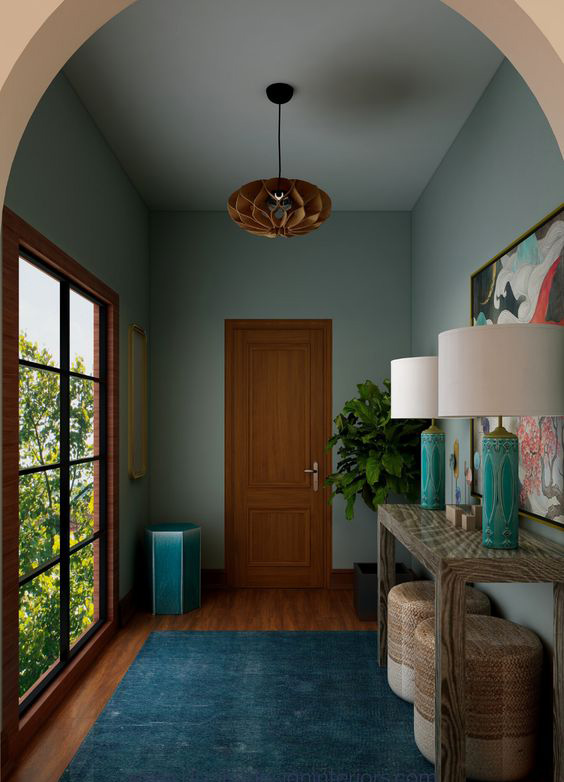
What are the rules of Feng Shui?
We can not say that the philosophy of Feng Shui promotes strict rules, but rather suggestions for arranging the house so that the final result will be a harmonious and balanced decor, regardless of the chosen design style. These design suggestions are very similar to the standard rules that are applied when it comes to arranging a comfortable and harmonious home:
- The front door should open inward, not outward. Place a painting of flowers, fruits, or plants as close to the entrance as possible, as it symbolizes abundance entering the home. Never place a mirror directly opposite the front door, it can either scare or surprise the person entering the house;
- Furniture should have symmetrical, regular shapes. In Feng Shui philosophy, a full circle is preferred over a semicircle, and a square is preferred over a rectangle.
- Make sure that empty spaces in the house are very well lit;
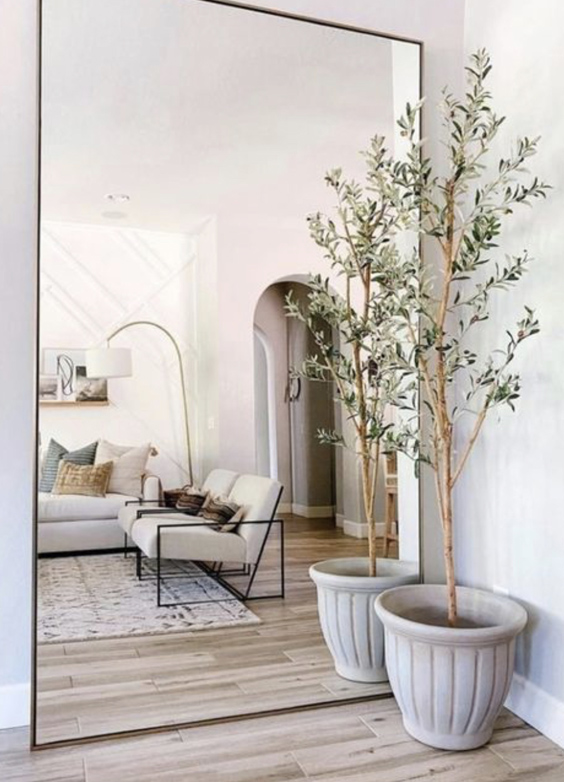
- Large mirrors placed on the wall must be high enough so as not to visually cut off the legs or head of the person looking in the mirror;
- Windows and windowsills should always be neat and clean.
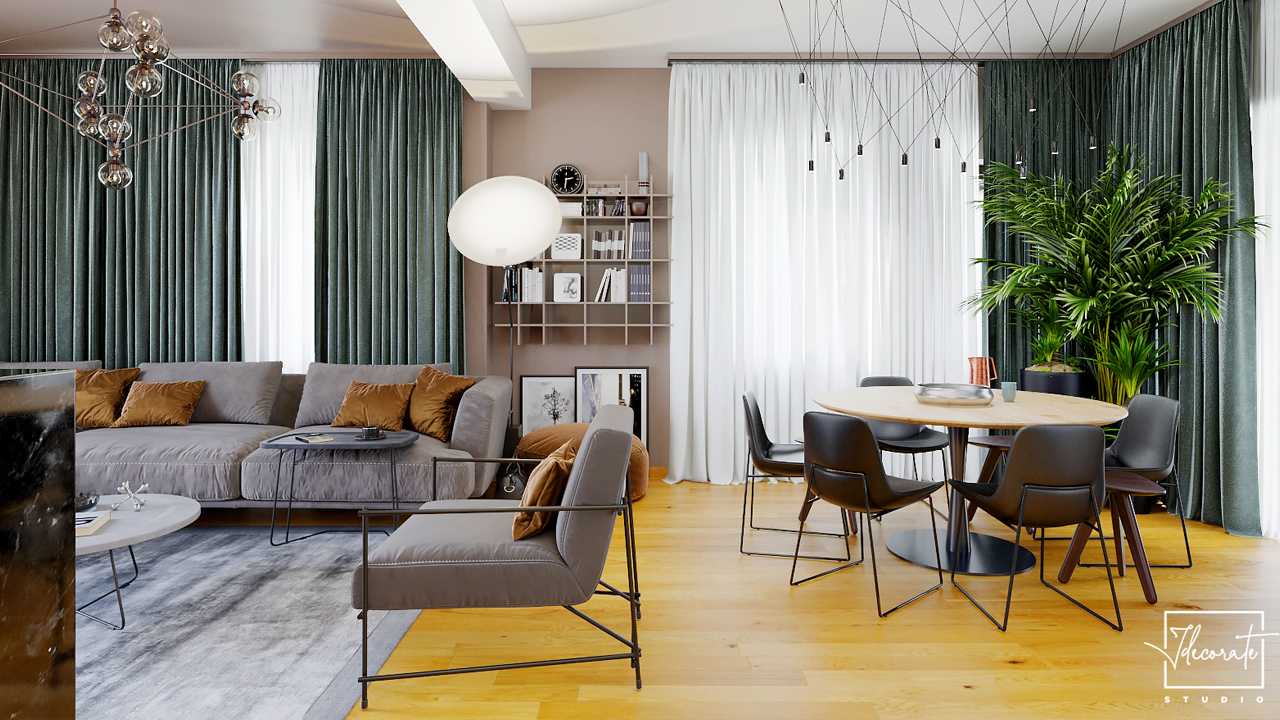
Feng Shui design in the living room
The living room, especially when it incorporates the dining area, is an extremely important space in the home. The Feng Shui living room should be located in the center of the house in order to highlight its importance. Choose a large enough dining table, preferably round, with one leg (in Chinese tradition, the dining room table represents the tree of wealth). The table should not be placed under a beam, between two doors, or in a manner that allows to be seen from the main door. To avoid these spots that evoke misfortune (as considered by Feng Shui practitioners), opt for decorative screens and houseplants to place between the table and the door.
Feng Shui Bedroom Design
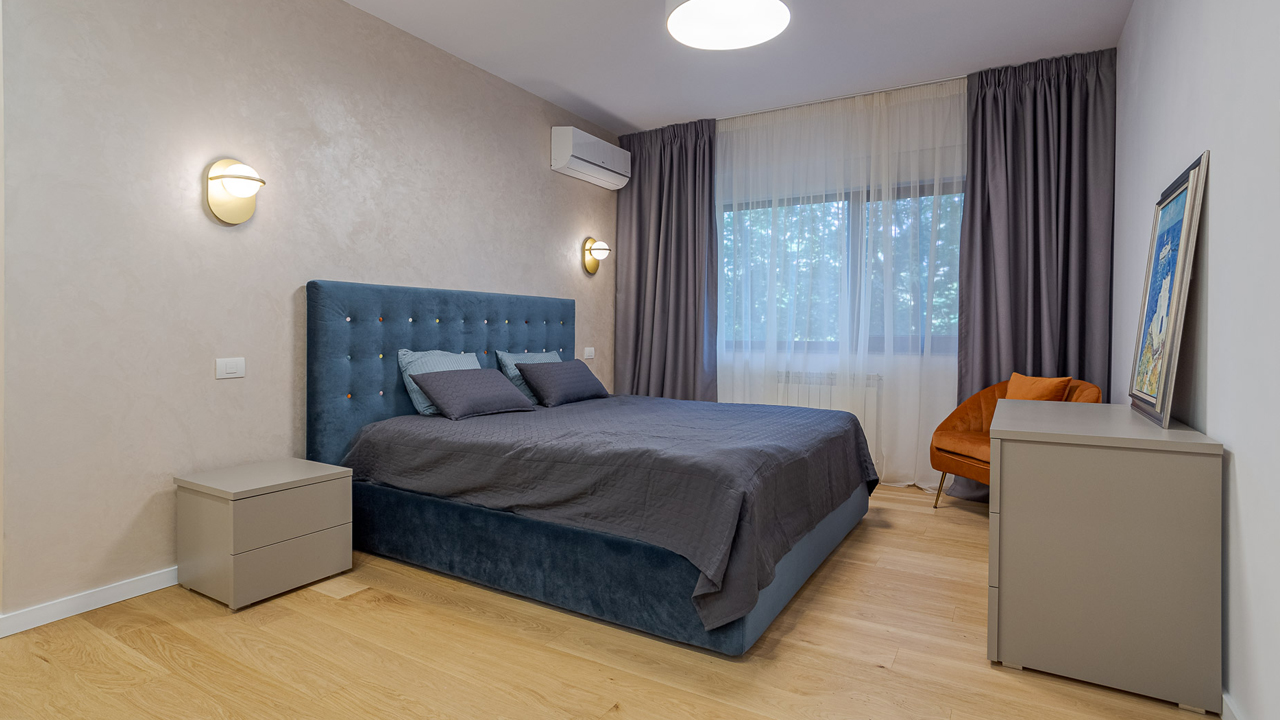
A Feng Shui bedroom requires paying attention especially to the positioning of the bed. It should be placed in the farthest corner of the room and diagonally to the door. Avoid positioning the bed directly aligned with the door, meaning you should not sleep with your head or feet facing the door. The headboard of the bed is also important, and wooden or upholstered headboards are the most suitable for influencing the energy of the place. Lights in the bedroom should not be positioned above the bed, but rather on either side, on the bedside tables. Ceiling lights should be spread symmetrically and evenly.
Feng Shui Kitchen Design
If you live in a house, the kitchen should be located in a secluded area on the ground floor. Instead, if you live in an apartment, the kitchen is certainly positioned closer to the entrance, so be careful when placing the stove in order not to disrupt the flow of energy in the house – the correct placement of the stove, from a Feng Shui point of view, is diagonally opposite the entrance.
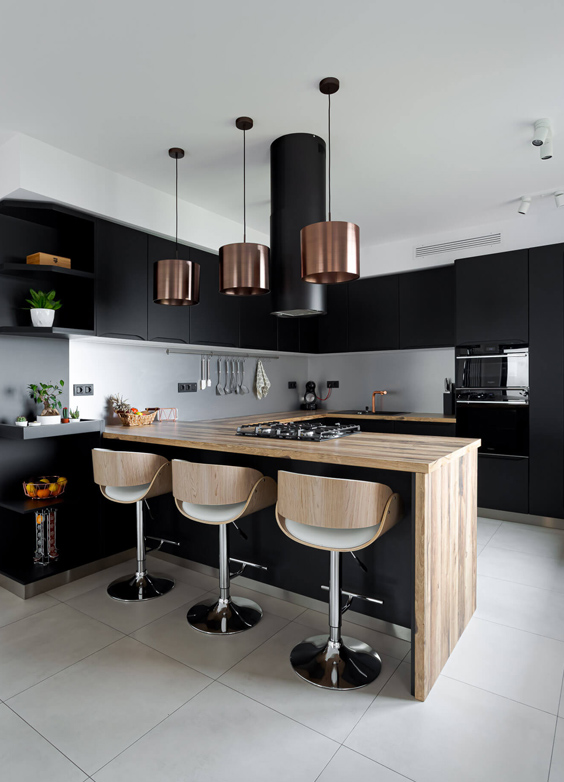
Feng Shui Kitchen Positioned on the Ground Floor – Villa Design Project in Dubai
Feng Shui Bathroom Design
For a proper Feng Shui bathroom design, you should focus on the doors – they should not face the house’s front door (according to symbolism, the family’s wealth flows away with the water on Saturdays). However, if you are faced with this situation, there are Feng Shui remedies: paint the door red to evoke positive energy or you can cover it with a mirror.
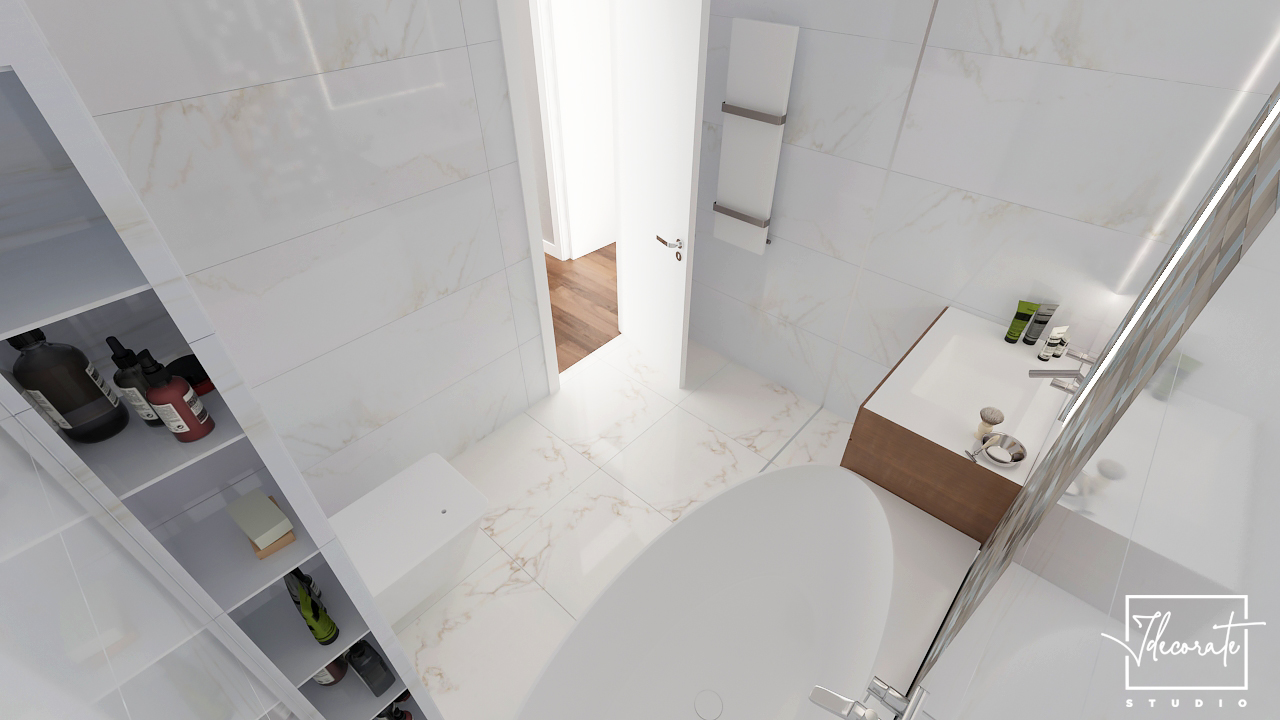
Feng Shui Bathroom – Two-Room Apartment Design Project in Dubai
There are also some Feng Shui decorations that you can opt for in your home decor: mirrors (they visually enlarge the space and provide visibility to certain areas that would otherwise remain hidden), wind chimes (they restore harmony and temper the flow of energy, but never position them next to a door or an arch), or fish tanks (they bring luck, but don’t place them in the kitchen, under beams or facing the front door). Feng Shui plants are important as well, but what you need to know, first of all, is not to keep withered plants in the house (if you don’t have time to take care of them, choose artificial ones): yellow chrysanthemums (they are considered lucky flowers), orchids, peonies, white magnolias and let’s not forget bamboo, a symbol of wisdom.
Feng Shui will bring a new perspective on arranging your home in a balanced and harmonious way. The rules of Feng Shui may be more difficult to understand, but the most important thing is that their goal is to create a comfortable and appropriate arrangement.
Pictures source: Pinterest, iDecorate