Contemporary interior design has long surpassed purely functional purposes, transforming the home into an extension of the personality and unique styles favored by homeowners. In this context, art is no longer treated as a simple decorative element added at the very end, but as a fundamental pillar that defines the architecture and mood a room evokes. Integrating oversized paintings and sculptures into a modern living room requires a strategic approach, where scale, light, and open space work together to inspire a refined atmosphere. This guide features essential principles and ideas designed to inspire people to turn their personal space into a true private art gallery.

1. The Impact of a Single Large-Scale Decorative Piece
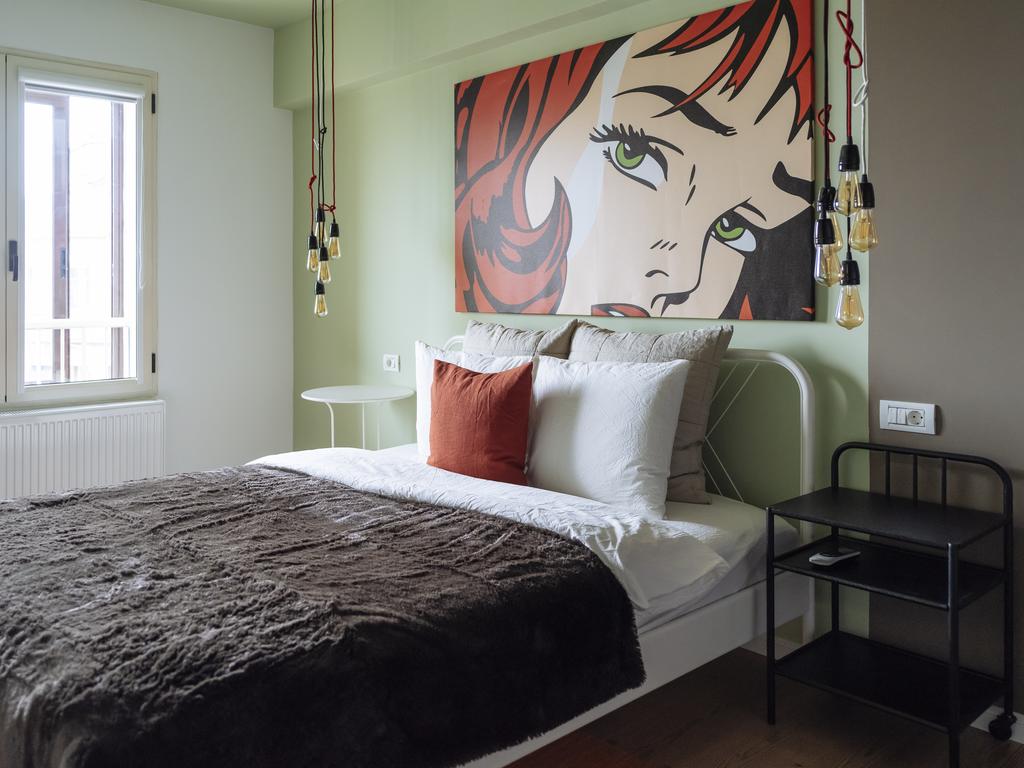
One of the most elegant methods to bring art into the living room is choosing an oversized painting to take on the role of a focal point. Instead of cluttering the main wall with small, fragmented pieces, a single massive artwork delivers an immediate sense of spaciousness and discreet luxury. In order to achieve the desired effect, you can place the piece on the central wall of the sofa or dining area, leaving generous margins of empty space around it. This approach results in eliminating visual chaos, while allowing the viewer’s eye to focus on the depth and texture of the work.


2. Bringing Art into Three-Dimensional Space
While paintings dress flat surfaces, sculptures introduce a three-dimensional dynamic into the living room that will always draw eyes. Choose pieces featuring organic or geometric shapes made from tactile materials such as natural stone, raw bronze, matte ceramics, or carved wood. Positioning them on a low coffee table or a marble console adds depth to the room. The interplay of volumes created by a well-placed sculpture eliminates the monotony of straight furniture lines and provides a deeply architectural feel.
3. Scenographic Lighting: The Secret to Showcasing Art
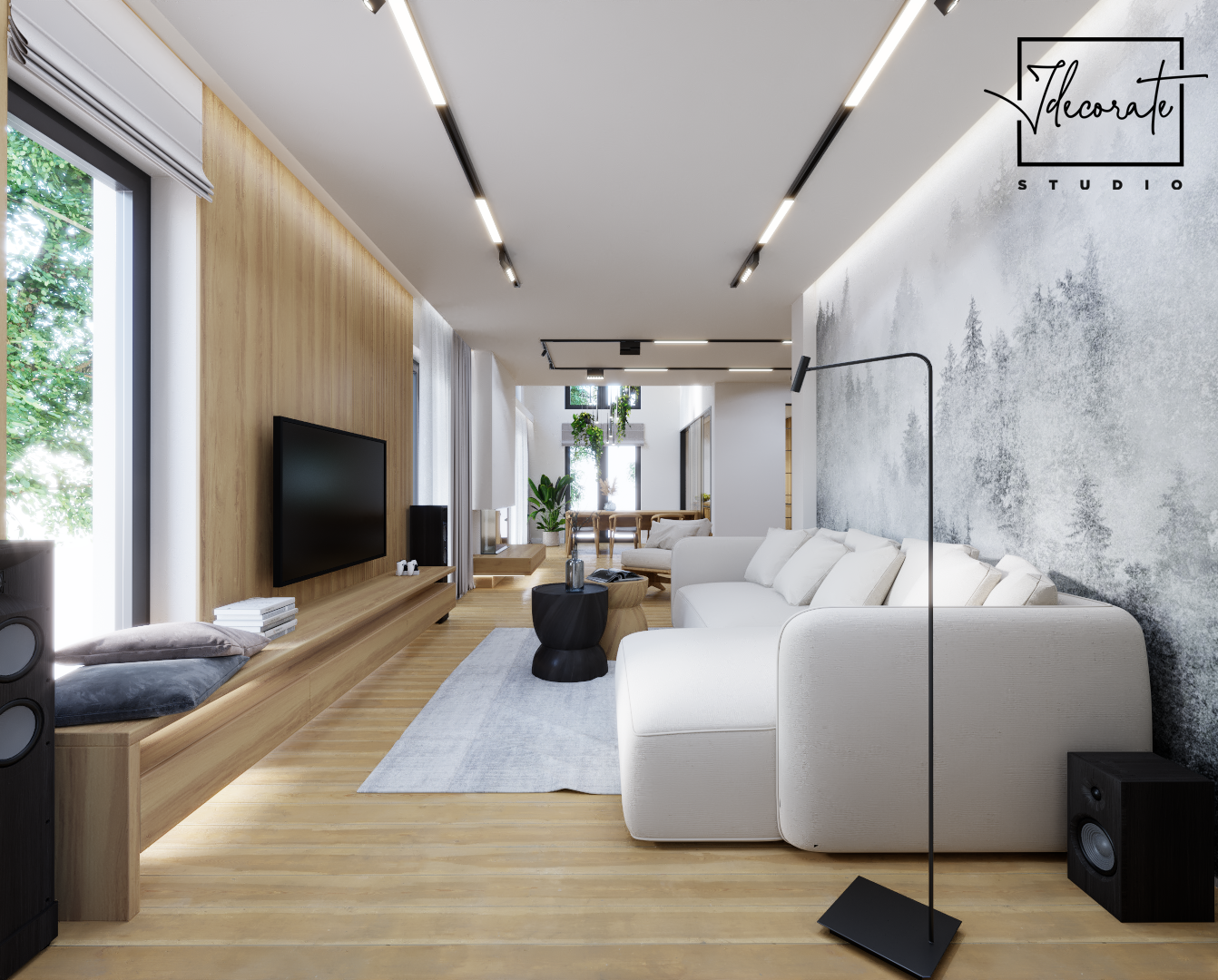
No artwork can express its true potential without properly calibrated lighting. Rather than relying solely on a uniform, general light source, it is recommended to opt for a layered and directional lighting system. Recessed adjustable spotlights, hidden LED strips, or slender picture lights mounted above frames direct warm beams directly onto the canvas textures or the contours of a sculpture. This lighting scenography softens unwanted shadows and creates an intimate, dramatic, and extremely welcoming evening atmosphere, while naturally highlighting the item itself.

4. Color Harmony Between Art and Furniture
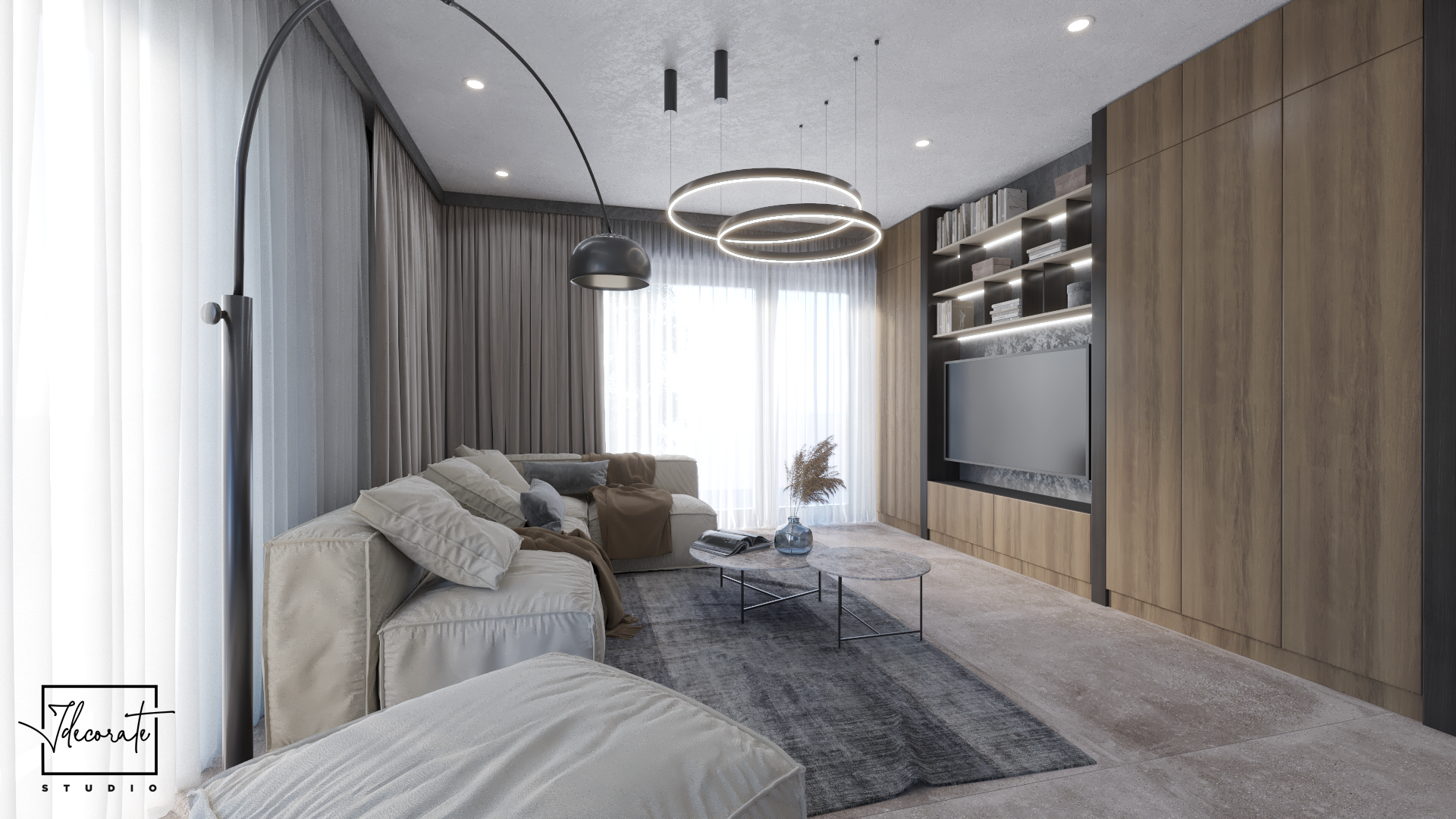
For the living room to maintain coherent stylistic continuity, the colors in the artworks must carry out a subtle dialogue with the room’s color palette. The painting does not need to match the shade of the sofa perfectly, but rather pick up subtle accents from surrounding finishes, such as a terracotta undertone, a matte black insertion, or warm earth tones. This chromatic approach ties the pieces together, creating a visually coherent ensemble that is both restful and distinctly refined.
5. The Rule of Scale and Proper Proportions
A common mistake in interior space arrangement is choosing paintings that are too small in relation to large furniture pieces. A painting suspended above the sofa should cover approximately two-thirds of its width to maintain perfect visual balance. Additionally, the center of the artwork should be positioned at eye level, roughly 145-150 cm from the floor. Respecting these proportions guarantees harmonious framing and prevents the feeling of a disconnected space or a visually inconsistent outcome.
6. Tactile Textures and Relief Art
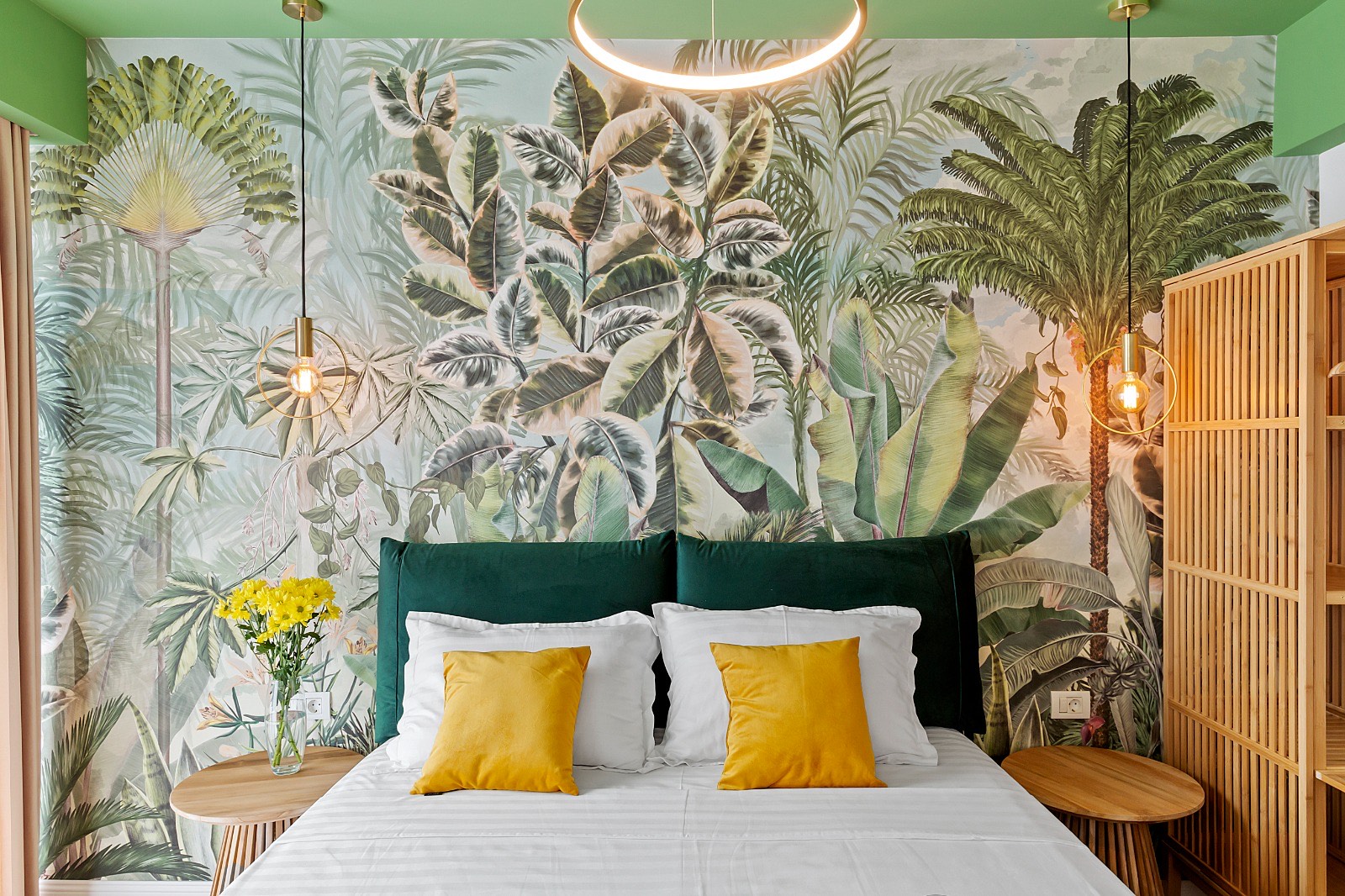
In modern aesthetics, classic painted canvases are often complemented or replaced by textured art—works created from decorative plaster, raw textiles, hand-sculpted paper, or mineral mixtures. These decorative pieces bring a rich tactile quality to plain walls painted in neutral shades of warm gray, cream, or beige. The way these reliefs react to ambient light provides a subtle shift in atmosphere throughout the day, depending on the angle and manner in which sunlight enters the room.
7. The Value of Negative Space Around Artworks
The most important principle in creating a private gallery at home lies in respecting the empty space around decorative objects. Our recommendation is not to attempt to fill every wall or every niche. Empty space functions as a necessary visual pause, allowing each sculpture or painting to assert its presence. Rejecting excess and maintaining a rigorous selection process are precisely the details that make the difference between a cluttered living room and an airy space defined by refinement and authenticity.
In conclusion, turning your living room into a private art gallery is a refined process of selection and balance. By cleverly combining large paintings, tactile sculptures, scenographic lighting, and proper proportions, you can create a spectacular ambiance tailored perfectly to modern standards of comfort and aesthetics.

Source: https://www.parkwestgallery.com/blog/3-simple-rules-for-hanging-art/